Introduction
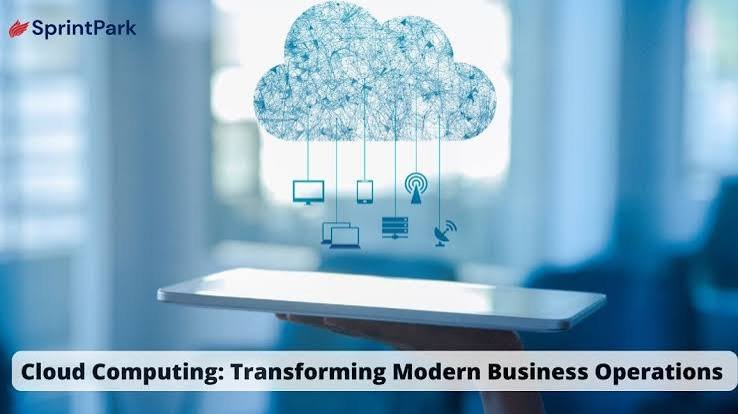
In the modern digital era, businesses are constantly searching for new ways to improve efficiency, reduce costs, and provide better services to customers. Technology has become a major factor in business success, and one of the most influential technologies driving this change is cloud computing. Cloud computing has transformed the traditional way companies manage data, operate applications, and deliver services.
In the past, businesses needed expensive hardware, physical servers, and large IT teams to maintain their technology systems. Today, cloud computing allows organizations to access powerful computing resources through the internet without investing heavily in physical infrastructure. This shift has created new opportunities for businesses of all sizes, from small startups to global enterprises.
Cloud computing is not only a technology for storing information; it has become a strategic tool that helps businesses innovate, compete, and adapt to changing market demands. By improving flexibility, collaboration, security, and scalability, cloud computing is reshaping the future of business operations.
Understanding Cloud Computing in Business
Cloud computing refers to the delivery of computing services such as storage, servers, databases, software, networking, and analytics through the internet. Instead of purchasing and maintaining their own IT infrastructure, businesses can use cloud services provided by specialized technology companies.
Cloud computing works on a service-based model, where organizations can access resources whenever they need them and pay according to their usage. This approach allows businesses to focus on their main goals instead of spending excessive time managing technical infrastructure.
Companies use cloud computing for various purposes, including data storage, customer management, online communication, application development, business analytics, and remote work solutions.
Reducing Business Costs
One of the most significant ways cloud computing is transforming businesses is by reducing operational costs. Traditional IT systems require companies to purchase expensive servers, storage devices, software licenses, and maintenance equipment. These expenses can be especially challenging for small and medium-sized businesses.
Cloud computing eliminates the need for large investments in physical infrastructure. Businesses can rent computing resources from cloud providers and pay only for what they use. This cost-effective approach allows companies to allocate their budgets toward innovation, marketing, and business growth.
Additionally, cloud services reduce maintenance costs because cloud providers handle hardware upgrades, system management, and technical maintenance. This allows businesses to save both money and time.
Improving Business Flexibility and Scalability
Modern businesses operate in fast-changing markets where customer demands can increase or decrease quickly. Cloud computing provides the flexibility needed to respond to these changes.
For example, an online retailer may experience a sudden increase in website traffic during a promotional event. With cloud technology, the company can quickly increase its computing resources to handle more users without purchasing additional servers.
This scalability allows businesses to grow without being limited by their technology infrastructure. Whether a company is expanding into new markets or launching new products, cloud computing provides the resources needed for growth.
Supporting Remote Work and Collaboration
The growth of remote work has made cloud computing more important than ever. Cloud-based tools allow employees to access files, applications, and business systems from anywhere with an internet connection.
Teams located in different cities or countries can collaborate in real time using cloud platforms. Employees can share documents, communicate through online tools, and manage projects efficiently without being physically present in the same location.
Cloud-based collaboration improves productivity and allows businesses to build flexible work environments. This has become a major advantage in today’s competitive business world.
Enhancing Data Management and Analytics
Data has become one of the most valuable resources for modern businesses. Companies collect large amounts of information from customers, sales, operations, and digital platforms. Cloud computing helps organizations store, manage, and analyze this data effectively.
Cloud-based analytics tools allow businesses to identify trends, understand customer behavior, and make informed decisions. Companies can use data insights to improve products, develop marketing strategies, and increase customer satisfaction.
Artificial intelligence and machine learning technologies integrated with cloud platforms further enhance data analysis by identifying patterns and making predictions.
Improving Customer Experience
Customer expectations have increased significantly in the digital age. Businesses need to provide fast, reliable, and personalized services to remain competitive. Cloud computing helps companies achieve this goal by improving service delivery.
Cloud-based customer relationship management systems allow businesses to store customer information, track interactions, and provide personalized experiences. Companies can respond to customer needs more quickly and develop stronger relationships.
Online services, mobile applications, and digital platforms supported by cloud technology allow customers to access products and services conveniently from anywhere.
Increasing Business Innovation
Cloud computing encourages innovation by providing businesses with access to advanced technologies. Organizations no longer need to build expensive technology systems from the beginning. Instead, they can use cloud platforms to experiment with new ideas and develop solutions faster.
Startups especially benefit from cloud technology because they can launch products without requiring large investments in infrastructure. This creates more opportunities for entrepreneurs and increases competition in the market.
Cloud computing also supports technologies such as artificial intelligence, machine learning, Internet of Things (IoT), and big data analytics, allowing businesses to create new products and services.
Strengthening Business Security
Security is a major concern for every organization, especially with the increasing number of cyber threats. Cloud computing provides advanced security features that help protect business information.
Cloud providers invest heavily in security technologies such as encryption, identity management, threat monitoring, and regular system updates. These security measures help protect sensitive business data from unauthorized access and cyberattacks.
Many cloud platforms also provide backup and recovery solutions. In case of system failure, businesses can quickly restore their data and continue operations.
Supporting Global Business Operations
Cloud computing has made it easier for businesses to operate globally. Companies can provide services to customers in different regions without building physical infrastructure in every location.
International teams can access the same systems and information regardless of their location. This global accessibility helps businesses expand their operations and reach new markets.
Cloud technology has also made it easier for companies to work with international partners, suppliers, and customers.
Challenges of Cloud Adoption
Although cloud computing offers many advantages, businesses also face challenges when adopting cloud solutions. Data privacy, security concerns, compliance requirements, and dependence on internet connectivity are some important issues.
Organizations must carefully choose cloud providers and develop proper security strategies to protect their information. Employee training is also necessary to ensure that cloud systems are used effectively.
Despite these challenges, the benefits of cloud computing continue to encourage businesses to adopt this technology.
The Future of Cloud Computing in Business
The role of cloud computing in business will continue to grow as new technologies develop. Artificial intelligence, automation, edge computing, and advanced analytics will make cloud platforms even more powerful.
Future businesses will rely on cloud technology to create smarter systems, improve decision-making, and deliver better customer experiences. Cloud computing will continue to support digital transformation and help organizations adapt to future challenges.
Conclusion
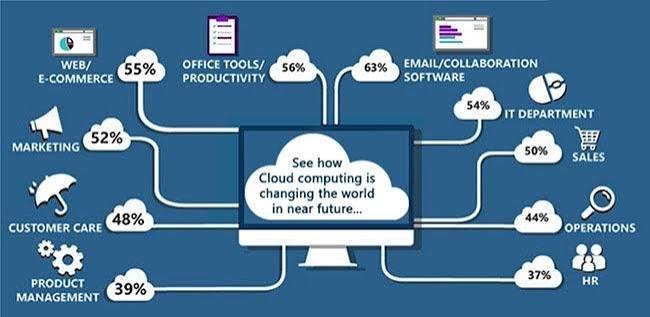
Cloud computing has become a powerful force in transforming modern businesses. It has changed how companies manage resources, communicate, analyze data, and deliver services. By reducing costs, improving flexibility, supporting remote work, and encouraging innovation, cloud technology has become an essential part of business success.
As organizations continue to adopt digital solutions, cloud computing will remain a key driver of growth and competitiveness. The businesses that effectively use cloud technology will be better prepared to adapt, innovate, and succeed in the rapidly changing digital economy.