Introduction
Digital transformation has become one of the most important goals for organizations in the modern business world. As technology continues to advance, businesses are changing the way they operate, communicate, and deliver value to customers. Digital transformation involves using modern technologies to improve business processes, increase efficiency, and create new opportunities for growth.
Among all the technologies supporting digital transformation, cloud computing plays a central role. It provides the foundation that allows organizations to adopt advanced technologies, manage large amounts of data, and create flexible digital solutions. Without cloud computing, many modern digital services, applications, and innovations would be difficult to develop and maintain.
Cloud computing enables businesses to move away from traditional IT systems and adopt more flexible, scalable, and cost-effective solutions. It supports remote work, artificial intelligence, big data analytics, automation, and many other technologies that are transforming industries around the world.
Understanding Digital Transformation
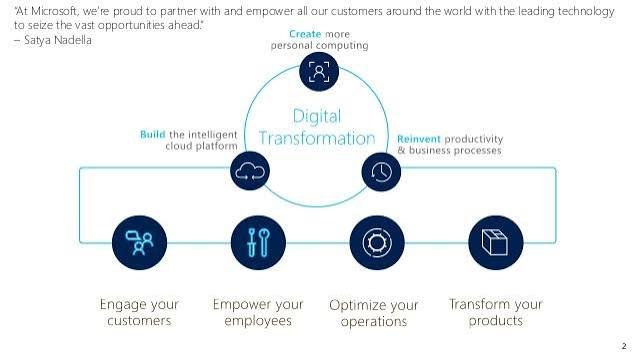
Digital transformation refers to the process of using digital technologies to improve business operations, customer experiences, and organizational strategies. It is not only about replacing old systems with new technology but also about changing the way organizations think and work.
Businesses use digital transformation to:
- Improve operational efficiency
- Provide better customer services
- Make faster and smarter decisions
- Create innovative products and services
- Respond quickly to market changes
Successful digital transformation requires a strong technology foundation, and cloud computing provides the infrastructure needed to support these changes.
The Connection Between Cloud Computing and Digital Transformation
Cloud computing acts as a major driver of digital transformation because it provides businesses with flexible access to computing resources. Instead of investing heavily in physical servers and traditional infrastructure, organizations can use cloud platforms to build and manage digital solutions.
Cloud technology allows businesses to:
- Store and process large amounts of data
- Develop applications faster
- Access advanced technologies
- Support remote operations
- Improve collaboration
- Reduce technology costs
By providing these capabilities, cloud computing helps organizations become more agile and competitive in a rapidly changing digital environment.
Cloud Computing as the Foundation of Modern Businesses
Providing Scalable Infrastructure
One of the biggest contributions of cloud computing to digital transformation is scalable infrastructure. Traditional IT systems often require businesses to purchase hardware based on future needs, which can be expensive and inefficient.
Cloud computing allows organizations to increase or decrease resources according to demand. For example, an online business can quickly expand its computing capacity during busy shopping seasons and reduce resources during slower periods.
This flexibility allows businesses to grow without being limited by their technology infrastructure.
Reducing IT Costs
Cloud computing helps organizations reduce costs by eliminating the need for large investments in physical hardware and maintenance. Businesses can use cloud services on a subscription or pay-as-you-go basis, allowing better financial management.
The reduction in infrastructure costs enables companies to invest more resources into innovation, customer experience, and business development.
Supporting Innovation and Agility
Digital transformation requires organizations to experiment with new ideas and quickly adapt to changes. Cloud computing supports innovation by providing easy access to advanced tools and technologies.
Developers can create, test, and launch applications faster using cloud platforms. Businesses can introduce new services without spending significant time setting up complex infrastructure.
This increased speed and flexibility help companies remain competitive in modern markets.
Enabling Data-Driven Decision Making
Managing Big Data
Data has become one of the most valuable resources for modern organizations. Businesses collect information from customers, transactions, websites, applications, and connected devices.
Cloud computing provides the storage capacity and processing power needed to manage large amounts of data. Organizations can store, organize, and analyze information efficiently using cloud-based solutions.
Improving Business Intelligence
Cloud-based analytics tools help businesses understand trends, customer behavior, and operational performance. By analyzing data, organizations can make more accurate decisions and develop effective strategies.
For example, companies can use customer data to personalize services, predict market trends, and improve product development.
Supporting Remote Work and Collaboration
The growth of remote work has increased the importance of cloud computing. Cloud-based applications allow employees to access business systems, documents, and communication tools from anywhere.
Cloud technology supports:
- Online meetings
- File sharing
- Team collaboration
- Project management
- Remote access to business applications
This flexibility allows organizations to build modern workplaces where employees can remain productive regardless of location.
Enabling Artificial Intelligence and Automation
Artificial intelligence (AI) and automation are important parts of digital transformation. However, these technologies require significant computing power and data processing capabilities.
Cloud computing provides the resources needed to develop and operate AI systems. Businesses use cloud-based AI solutions for:
- Customer service chatbots
- Predictive analytics
- Automated processes
- Fraud detection
- Personalized recommendations
Automation supported by cloud technology helps organizations reduce manual work, improve accuracy, and increase efficiency.
Improving Customer Experience
Customer expectations have changed significantly in the digital age. People expect fast, personalized, and convenient services. Cloud computing helps businesses meet these expectations by enabling advanced digital experiences.
Cloud-based customer management systems allow companies to understand customer needs and provide personalized solutions. Online platforms, mobile applications, and digital services can be improved through cloud technology.
Better customer experiences help businesses build stronger relationships and increase customer satisfaction.
Enhancing Business Security
Security is an essential part of digital transformation. As organizations become more digital, they face increasing risks from cyber threats.
Cloud providers offer advanced security features such as:
- Data encryption
- Identity management
- Threat monitoring
- Backup solutions
- Access controls
These security measures help businesses protect their information while continuing their digital transformation journey.
Supporting Industry-Specific Transformation
Cloud computing is transforming many industries by providing specialized digital solutions.
Healthcare
Healthcare organizations use cloud computing to manage electronic health records, support medical research, and improve patient services.
Education
Educational institutions use cloud platforms for online learning, digital classrooms, and resource sharing.
Finance
Financial organizations use cloud technology for secure transactions, fraud detection, and data analysis.
Manufacturing
Manufacturing companies use cloud systems to support smart factories, automation, and supply chain management.
Retail
Retail businesses use cloud computing for e-commerce platforms, customer analytics, and inventory management.
Challenges of Using Cloud Computing in Digital Transformation
Although cloud computing provides many benefits, organizations may face challenges during adoption.
Data Security Concerns
Protecting sensitive information stored in the cloud remains a major concern. Businesses must implement strong security practices to reduce risks.
Integration with Existing Systems
Many organizations have older systems that may be difficult to connect with modern cloud platforms. Careful planning is required for successful integration.
Skills and Training
Cloud adoption requires employees with technical knowledge. Organizations may need to provide training to help teams use cloud technologies effectively.
Managing Cloud Costs
Although cloud computing can reduce costs, poor resource management can lead to unnecessary expenses. Organizations must monitor and optimize their cloud usage.
Future of Cloud Computing in Digital Transformation
The role of cloud computing in digital transformation will continue to expand. Future developments in artificial intelligence, edge computing, automation, and advanced analytics will make cloud platforms even more powerful.
Businesses will increasingly rely on cloud technology to create intelligent systems, improve decision-making, and deliver innovative services. Cloud computing will remain a key factor in helping organizations adapt to future technological changes.

Conclusion
Cloud computing has become a fundamental component of digital transformation. It provides the flexibility, scalability, and technological foundation needed for organizations to modernize their operations and compete in the digital economy.
By supporting innovation, data analysis, remote work, artificial intelligence, and improved customer experiences, cloud computing enables businesses to achieve their digital transformation goals. Although challenges such as security and integration remain, continuous improvements in cloud technology are making adoption easier and more effective.
As the digital world continues to evolve, cloud computing will remain one of the most important technologies shaping the future of businesses and organizations worldwide.