
In today’s digital world, having a blog is not enough. You also need people to find your content. This is where blog ranking becomes important. A well-ranked blog can attract more visitors, build trust, increase brand awareness, and create opportunities to earn money online.
Blog ranking refers to the position of a blog post or website in search engine results for a particular search query. When your content appears near the top of search results, more people are likely to click on it. However, achieving a good position requires useful content, proper SEO, a good website experience, and consistent effort.
Whether you are a beginner blogger, business owner, freelancer, or experienced content creator, understanding how blog ranking works can help you grow your online presence.
What Is Blog Ranking?
Blog ranking is the position of a blog page in search engine results when someone searches for a specific keyword or topic. For example, if you write an article about “how to start a blog” and your page appears on the first page of Google for that search, your blog has achieved a strong ranking for that keyword.
Search engines use many different signals to decide which pages should appear first. These signals can include content quality, relevance, website authority, user experience, page speed, backlinks, and how well the page answers the searcher’s question.
The goal should not simply be to rank for keywords. Your main goal should be to create content that genuinely helps readers.
Why Is Blog Ranking Important?
A good blog ranking can make a significant difference to your website. Most users do not scroll through many pages of search results. They usually focus on the results that appear near the top.
Higher rankings can provide several benefits:
- More organic website traffic
- Greater brand visibility
- Increased credibility
- More potential customers
- Better opportunities for affiliate marketing
- Higher chances of generating advertising revenue
- Long-term growth through search traffic
For example, imagine two websites publish articles about the same topic. One appears on the first page of search results, while the other is buried several pages deep. The first website will generally have a much better opportunity to attract visitors.
Choose the Right Keywords
Keyword research is one of the foundations of successful blog ranking. A keyword is a word or phrase that people type into a search engine when looking for information.
Instead of choosing keywords simply because they have a high search volume, consider whether they are relevant to your audience. A highly competitive keyword may be difficult for a new website to rank for.
Long-tail keywords can often be useful because they are more specific. For example, instead of targeting “blogging,” you could target “blogging tips for beginners.” A more specific phrase can attract visitors who have a clearer search intention.
Try to understand what your audience wants before selecting your target keyword.
Create Helpful and Original Content
Content quality is one of the most important parts of blog ranking. Search engines want to provide users with useful results, so your article should answer the reader’s question clearly and completely.
A strong blog article should:
- Provide accurate information
- Answer the main search intent
- Use clear language
- Include useful examples
- Avoid unnecessary repetition
- Be easy to read
- Offer practical advice
Do not write an article simply to reach a certain word count. A longer article is not automatically better. What matters is whether the content provides real value.
If your topic requires 1,400 words to explain properly, use 1,400 words. If it can be explained effectively in 900 words, there is no reason to add unnecessary paragraphs.
Use Your Main Keyword Naturally
Once you choose a primary keyword, use it naturally throughout the article. For this article, the primary keyword is Blog Ranking.
You can include the keyword in important areas such as:
- The article title
- Introduction
- Some headings
- Main body content
- Meta description
- URL, when appropriate
- Image alt text, where relevant
However, avoid keyword stuffing. Repeating the same keyword excessively can make your content difficult to read and may create a poor user experience.
Write for people first and search engines second.
Improve Your Blog’s On-Page SEO
On-page SEO involves optimizing elements on your website to make your content easier for search engines and users to understand.
Start with a clear title that tells readers exactly what the article is about. Use headings and subheadings to organize your information. Short paragraphs can make your content easier to scan, especially on mobile devices.
You should also create descriptive URLs. A simple URL related to the article topic is generally easier to understand than one containing random numbers and characters.
Internal linking is another useful technique. When you publish related articles, link them together naturally. This helps readers discover more content and makes it easier for search engines to understand the structure of your website.
Make Your Website Mobile-Friendly
A large number of internet users browse websites using smartphones. If your blog does not work properly on mobile devices, visitors may leave quickly.
Your website should have a responsive design that adjusts to different screen sizes. Text should be easy to read, buttons should be simple to use, and images should not cause the page to overflow horizontally.
A good mobile experience can improve user satisfaction and help create a stronger overall website.
Improve Page Speed
Nobody likes waiting for a slow website to load. If your pages take too long to appear, visitors may leave before reading your content.
To improve page speed, consider compressing large images, reducing unnecessary plugins, using efficient themes, and choosing reliable hosting.
You can also check your website’s performance using Google’s PageSpeed Insights and other website performance tools.
A faster website is not only better for visitors but can also contribute to a healthier overall SEO strategy.
Build High-Quality Backlinks
Backlinks are links from other websites to your website. They can help search engines understand that other websites find your content valuable.
However, not every backlink has the same value. A link from a trustworthy and relevant website can be more useful than many low-quality or unrelated links.
You can naturally earn backlinks by creating valuable resources, original research, useful guides, statistics, and content that other websites want to reference.
Guest posting on relevant websites can also be an effective way to build relationships and gain exposure, provided the links and content are created naturally and follow search engine guidelines.
Avoid buying large numbers of spammy backlinks. Short-term tactics can create long-term problems.
Focus on User Experience
Good SEO is closely connected with good user experience. When visitors arrive at your blog, they should be able to find the information they need without unnecessary difficulty.
Use readable fonts, clear headings, sufficient spacing, descriptive links, and helpful images when appropriate.
Avoid covering your content with excessive pop-ups or advertisements. Too many interruptions can frustrate visitors and make it harder for them to consume your content.
A clean and useful website encourages people to stay longer and explore more pages.
Keep Your Content Updated
Publishing an article once does not always mean your work is finished. Information can become outdated as trends, technologies, products, and search behavior change.
Review important articles from time to time. Update outdated statistics, replace broken links, improve unclear sections, and add useful information when necessary.
Updating existing content can be especially valuable when an article already receives search traffic but has started losing visibility.
Promote Your Blog Content
SEO can bring organic traffic, but promoting your content through other channels can also help your blog grow.
You can share new articles through social media, email newsletters, online communities, and relevant professional networks. The purpose should be to reach people who are genuinely interested in your topic.
When your content reaches the right audience, it can attract readers, discussions, shares, and potentially natural backlinks.
Promotion should support your SEO strategy rather than replace the need for quality content.
Be Patient With Blog Ranking
One of the biggest mistakes new bloggers make is expecting immediate results. Search engine optimization usually takes time.
A new website may need months to build authority and establish consistent organic traffic. Results can depend on competition, content quality, website history, backlinks, technical SEO, and many other factors.
Instead of checking your ranking every few hours, focus on publishing useful content consistently and improving your website over time.
Track your progress using reliable analytics and search performance tools. Look for trends rather than becoming discouraged by small daily changes.
Common Blog Ranking Mistakes to Avoid
Some common mistakes can make it harder for a blog to grow.
One mistake is writing content only for search engines. Articles filled with unnatural keywords are difficult to read and usually provide little value.
Another mistake is copying content from other websites. Your blog should offer original value and a unique perspective.
Ignoring mobile users, publishing thin content, using misleading titles, neglecting internal links, and creating a poor website experience can also hurt your overall strategy.
Most importantly, do not expect one SEO trick to transform your website overnight. Sustainable growth usually comes from many small improvements working together.
Frequently Asked Questions About Blog Ranking
1. What is blog ranking?
Blog ranking refers to the position of a blog post or website in search engine results for a specific keyword or search query. A higher ranking can help your blog receive more organic traffic.
2. How can I improve my blog ranking?
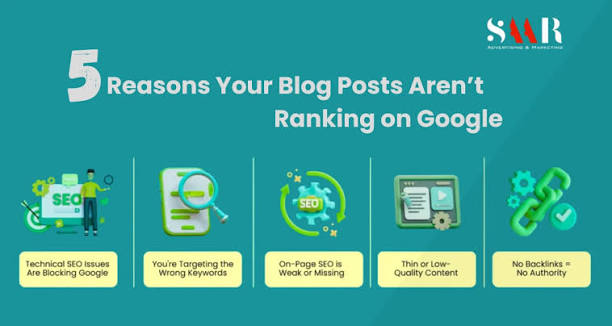
You can improve your blog ranking by creating helpful content, targeting relevant keywords, improving on-page SEO, making your website mobile-friendly, increasing page speed, building quality backlinks, and regularly updating your content.
3. How long does it take for a blog to rank?
There is no fixed time for a blog to rank. New websites may take several months to gain significant visibility, depending on competition, content quality, website authority, and SEO efforts.
4. Are keywords important for blog ranking?
Yes, keywords help search engines understand what your content is about. However, keywords should be used naturally rather than repeated excessively throughout an article.
5. Does word count affect blog ranking?
Word count alone does not determine ranking. A useful and comprehensive article can perform well whether it is short or long. The most important factor is whether the content satisfies the reader’s search intent.
6. What are backlinks and why are they important?
Backlinks are links from other websites to your blog. Relevant, trustworthy backlinks can help strengthen your website’s authority and may support better search visibility.
7. Does page speed affect blog ranking?
Page speed is an important part of website performance and user experience. A faster website can make it easier for visitors to browse your content and interact with your pages.
8. Is mobile-friendly design important for blog ranking?
Yes. Many people access websites through smartphones, so your blog should provide a smooth experience across mobile devices, tablets, and desktop computers.
9. Should I update old blog posts?
Yes. Updating older content can help keep information accurate and useful. You can update outdated facts, improve sections, fix broken links, and add relevant information when necessary.
10. Can a new blog rank on Google?
Yes, a new blog can rank in search results, but it usually takes time and consistent effort. Publishing valuable content, targeting relevant topics, following good SEO practices, and building website authority can improve your chances over time.
Final Thoughts
Improving Blog Ranking is a long-term process rather than a one-time task. The most successful approach is to understand your audience, choose relevant keywords, create genuinely helpful content, optimize your pages, improve website performance, and continue updating your information.
Do not focus only on reaching the first position in search results. Focus on becoming a useful resource that readers can trust.
When your blog consistently answers questions, solves problems, and provides a positive experience, you create a strong foundation for long-term organic growth. With patience, consistent publishing, and smart SEO practices, your blog can gradually gain more visibility and attract a larger audience.