Introduction
Blog reports are useful tools for understanding the performance, quality, and growth of a blog.
They provide information about website traffic, reader engagement, popular topics, and content performance.
By reviewing blog reports regularly, writers can identify what their audience enjoys reading.
These reports also help businesses improve their content strategies and reach the right people.
A well-prepared blog report turns useful information into practical decisions for future growth.
1. What Are Blog Reports?
Blog reports are documents that summarize important information about a blog’s performance.
They help bloggers understand how their published content performs over a specific period.
These reports may include visitor numbers, page views, comments, and social media interactions.
They can also show which articles attract the most attention from readers.
Businesses use blog reports to measure the effectiveness of their content marketing efforts.
Individual writers can use them to track progress and improve their writing habits.
The information included depends on the blog’s purpose and target audience.
Overall, blog reports provide a clearer picture of a blog’s strengths and weaknesses.
2. Importance of Blog Reports
Blog reports help content creators make informed decisions instead of relying on guesswork.
They reveal whether published articles are reaching the intended audience.
Regular reporting also helps identify topics that generate interest and meaningful engagement.
Businesses can use these insights to improve brand awareness and attract potential customers.
Writers may discover opportunities to update older articles or explore new subjects.
Reports also make it easier to compare results across different periods.
This process encourages consistent improvement and more focused content planning.
For these reasons, blog reports are valuable for both beginners and experienced publishers.
3. Main Elements of Blog Reports
An effective blog report contains information that directly supports its main purpose.
Website traffic is a common element because it shows how many people visit a blog.
Page views help identify the articles that receive the most attention.
Engagement metrics may include comments, shares, and other reader interactions.
Search performance can reveal how visitors discover content through search engines.
Reports may also include conversion data when a blog supports business goals.
A reporting period and clear explanation of the results make the information easier to understand.
Together, these elements help readers evaluate performance without unnecessary confusion.
4. Blog Reports and Website Traffic
Website traffic is one of the most commonly reviewed parts of blog reporting.
It helps content creators understand how many people visit their website.
Traffic reports can show changes in readership over days, weeks, or months.
They may also identify the pages that attract visitors from different sources.
Search engines, social platforms, email newsletters, and referral websites can all bring readers.
Understanding these sources helps bloggers choose effective ways to promote their articles.
However, high traffic does not always mean readers find the content useful.
Traffic data should therefore be considered alongside engagement and other relevant measurements.
5. How Blog Reports Improve Content Strategy
Blog reports provide valuable guidance when planning future articles and updates.
They help writers recognize subjects that consistently interest their audience.
Low-performing posts may indicate that a topic, title, or format needs improvement.
Creators can use these findings to develop more relevant and helpful content.
Reports also help identify gaps that competitors or audience questions may reveal.
A content calendar can be adjusted according to the insights gathered from reporting.
This approach makes publishing more purposeful and reduces unnecessary effort.
Over time, data-informed planning can support stronger and more consistent blog performance.
6. Blog Reports for SEO Performance
Search engine optimization is another important area covered by blog reports.
SEO reporting helps bloggers understand how their articles appear in search results.
Useful measurements may include impressions, clicks, click-through rates, and search positions.
These details can highlight articles that already attract search interest.
They may also reveal pages that need clearer headings or more relevant information.
Bloggers can review keyword performance to understand how readers find their content.
Search performance should be evaluated over time because rankings and traffic naturally change.
Consistent monitoring helps guide improvements without relying on short-term fluctuations alone.
7. Tools Used to Create Blog Reports
Several digital tools can help bloggers collect and organize performance information.
Website analytics platforms provide details about visitors and their interactions.
Search performance tools can explain how content appears in search results.
Social media analytics help measure engagement with shared blog posts.
Spreadsheets are useful for organizing figures and comparing results across reporting periods.
Some content management systems also provide built-in statistics and publishing insights.
The best tool depends on the website’s size, budget, and reporting requirements.
Using a small set of suitable tools often makes reporting easier to maintain.
8. Creating Clear and Accurate Blog Reports
A good blog report should be simple, accurate, and easy to follow.
Start by deciding what questions the report needs to answer.
Choose measurements that relate directly to the blog’s goals.
Collect information from reliable sources and check that the dates are consistent.
Use clear headings, short explanations, and charts when they improve understanding.
Explain important changes instead of presenting numbers without context.
Avoid including unrelated statistics that distract readers from the main findings.
A clear structure allows people to understand the results and act on them more confidently.
9. Common Mistakes in Blog Reporting
One common mistake is focusing only on page views while ignoring reader engagement.
Another is comparing different reporting periods without accounting for seasonal changes.
Some bloggers collect too many statistics without explaining their importance.
Others draw conclusions from limited data before a reliable pattern appears.
Inaccurate tracking can also produce misleading results and poor decisions.
Reports become less useful when they contain unclear labels or unexplained abbreviations.
These problems can be reduced through consistent methods and careful review.
Accurate reporting requires attention to both the numbers and the context behind them.
10. Blog Reports for Business Growth
Businesses can use blog reports to understand how content contributes to wider marketing goals.
They help teams assess whether articles attract potential customers and relevant audiences.
Reports may show whether readers visit product pages after reading a blog post.
When suitable tracking is available, businesses can also measure sign-ups or enquiries.
These insights help marketers prioritize content that supports their objectives.
They can also guide decisions about content budgets and promotional activities.
However, results should be interpreted alongside other marketing and sales information.
With clear goals, blog reporting can support more responsible and effective business planning.
11. How Often Should Blog Reports Be Prepared?
The ideal reporting schedule depends on the size and purpose of a blog.
New websites may benefit from monthly reviews that highlight early trends.
Established blogs may use weekly monitoring for important performance changes.
Monthly reports are useful for reviewing traffic, engagement, and content progress.
Quarterly reviews can reveal broader patterns and help assess long-term goals.
Daily figures are sometimes useful, but they can fluctuate too much for meaningful conclusions.
Consistency matters more than producing reports too frequently.
A practical schedule helps teams stay informed without spending excessive time analyzing data.
12. Future Trends in Blog Reporting
Blog reporting continues to develop as digital publishing tools become more advanced.
Automation can reduce the time needed to collect and organize performance data.
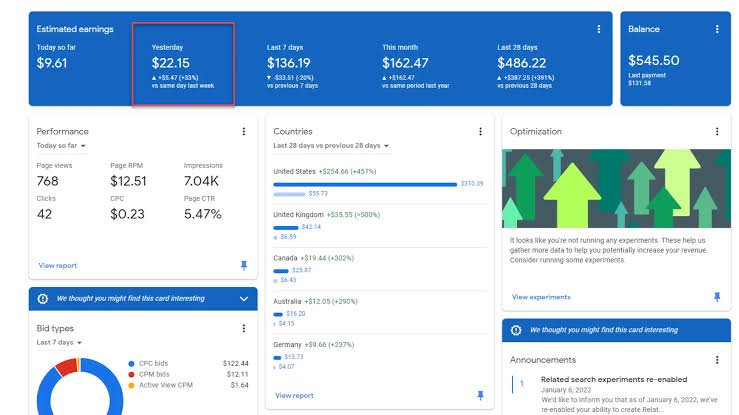
Visual dashboards make important measurements easier to review at a glance.
Artificial intelligence can help summarize trends and suggest areas for further investigation.
Privacy-conscious analytics are also important as expectations around data protection increase.
Despite these developments, human judgment remains essential when interpreting results.
Numbers alone cannot fully explain a reader’s needs, motivations, or experience.
The most effective blog reports will combine reliable data with thoughtful content decisions.
Conclusion
Blog reports help writers and businesses understand how their content performs.
They provide useful insights into traffic, engagement, search visibility, and audience interests.
Regular reporting makes it easier to identify successful articles and areas for improvement.
By choosing relevant metrics and interpreting results carefully, bloggers can make better decisions.
Ultimately, consistent blog reporting supports a more organized, effective, and audience-focused content strategy.
Frequently Asked Questions (FAQs)
1. What is the main purpose of blog reports?
The main purpose of blog reports is to measure content performance and understand audience behavior. They help bloggers identify successful topics, monitor progress, and plan improvements based on reliable information.
2. Which metrics should a blog report include?
A blog report may include website traffic, page views, engagement, traffic sources, search impressions, clicks, and conversions. The most useful metrics depend on the blog’s goals and intended audience.
3. How can blog reports improve blog performance?
Blog reports help identify popular articles, discover content gaps, and evaluate promotional strategies. By reviewing these insights regularly, bloggers can improve existing posts and create content that better serves their readers.