Introduction
Blogging has become a popular way to share knowledge, ideas, experiences, and information with people around the world.
A well-designed blog can help readers find useful content and enjoy a better browsing experience.
However, creating a professional blog from scratch can take considerable time and effort.
This is where blog templates become useful for beginners, businesses, and experienced writers.
They provide a convenient starting point for building an organized and visually appealing website.
1. What Are Blog Templates?
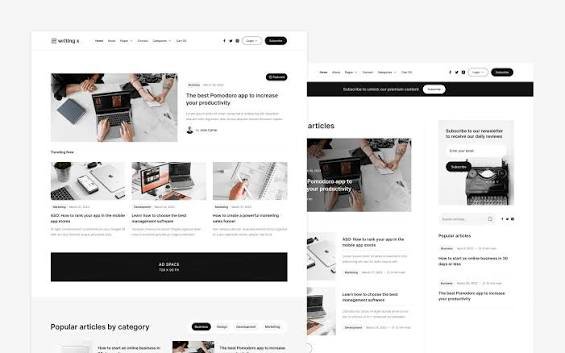
Blog templates are pre-designed layouts that help users create blogs without designing every element themselves.
They usually include sections for articles, headings, images, menus, and other important website features.
Some templates offer simple designs, while others include advanced layouts and customization options.
They are available for different blogging platforms, including WordPress, Blogger, and other website builders.
Users can select a template that matches their content style and personal preferences.
These layouts help maintain consistency throughout a blog and make its pages easier to navigate.
Many templates also allow users to change colors, fonts, backgrounds, and page structures.
With the right template, creating a professional-looking blog becomes a more manageable task.
2. Why Blog Templates Are Important
Blog templates are important because they simplify the process of designing and managing a website.
Instead of spending hours arranging every section, bloggers can begin with an existing layout.
This saves time and allows them to focus more on writing valuable and engaging content.
A clear design also helps readers understand the structure of each article.
Well-organized pages make it easier for visitors to discover related posts and important information.
Templates can also support a consistent appearance across different sections of a website.
For businesses, a professional layout can strengthen brand identity and build reader confidence.
Choosing a suitable template is therefore an important step toward creating a successful blog.
3. Different Types of Blog Templates
There are many types of blog templates designed for different topics and audiences.
Personal blog templates are suitable for sharing daily experiences, hobbies, opinions, and life stories.
Business templates often focus on professional presentation, company updates, and industry knowledge.
Travel blog templates usually highlight photographs, destinations, travel guides, and personal experiences.
Food blog templates commonly provide space for recipes, cooking instructions, and food photography.
Fashion templates often use attractive visuals to present outfits, trends, and style inspiration.
Technology blogs may prefer clean layouts that organize product reviews, tutorials, and technical articles.
Selecting a template based on the blog’s purpose helps create a more relevant reader experience.
4. Features of a Good Blog Template
A good blog template should combine attractive design with practical features that support readers.
Its layout should be simple enough for visitors to understand without unnecessary confusion.
Readable fonts, suitable spacing, and balanced colors can make articles more comfortable to read.
A responsive design ensures that the blog adjusts to different screen sizes and devices.
Clear navigation menus help visitors move between categories, pages, and individual articles.
Useful features may include search bars, related posts, social sharing links, and comment sections.
The template should also allow bloggers to customize important elements as their needs change.
These features can contribute to a more accessible, organized, and enjoyable blogging experience.
5. Free and Paid Blog Templates
Bloggers can choose between free and paid templates according to their budgets and requirements.
Free templates are useful for beginners who want to explore blogging without making an initial investment.
They often provide essential layouts and enough customization options for simple websites.
Paid templates may offer additional design choices, specialized features, and professional support.
However, a higher price does not automatically mean that a template is the best choice.
Users should review its features, compatibility, update history, and available documentation before purchasing.
It is also important to check whether the template includes recurring fees or additional costs.
Comparing several options can help bloggers find a practical solution that meets their needs.
6. How to Choose the Right Blog Template
Choosing the right blog template begins with understanding the purpose of the website.
A personal journal may need a different layout from a business blog or an online magazine.
Consider the type of articles you plan to publish and the experience you want readers to have.
Check whether the template supports mobile devices and provides clear navigation.
Look for customization options that allow you to reflect your preferred colors, fonts, and branding.
You should also confirm that the template works with your blogging platform and essential plugins.
Reviewing live demos can help you understand how the design looks with real content.
A thoughtful choice can reduce future redesign work and support your blog’s long-term development.
7. Customizing Blog Templates
Customization helps transform a standard template into a blog that reflects your personality or brand.
You can begin by selecting colors that match the subject and overall tone of your website.
Choose readable fonts and maintain consistent heading styles throughout your articles.
Adding a logo, a suitable header image, and an organized menu can improve visual identity.
You may also adjust the homepage to highlight featured articles or important categories.
Keep decorative elements limited so they do not distract visitors from the main content.
Before publishing changes, review your blog on both desktop and mobile screens.
A balanced design makes your website feel distinctive while keeping it easy to use.
8. Blog Templates and Search Engine Optimization
Blog templates can influence search engine optimization by affecting usability, structure, and website performance.
A well-organized layout helps readers and search engines understand the relationship between different pages.
Templates that support proper headings can make articles easier to scan and understand.
Fast loading times are important because heavy images and unnecessary scripts can slow a website.
Responsive layouts also help provide a consistent experience across mobile phones, tablets, and computers.
Bloggers should use descriptive page titles, meaningful links, and appropriate image descriptions.
However, a template alone cannot guarantee higher search rankings or increased website traffic.
Useful content, sound SEO practices, and regular improvements remain essential for long-term visibility.
9. Mobile-Friendly Blog Templates
Many readers access blogs through smartphones, making mobile-friendly design an important consideration.
A responsive template adjusts its layout to fit different screen sizes automatically.
Text should remain readable without forcing visitors to zoom in or scroll horizontally.
Buttons and navigation links should be large enough to use comfortably on touchscreens.
Images should resize correctly without covering text or making pages unnecessarily slow.
Mobile-friendly menus can help readers locate categories and articles with less effort.
Testing your blog on several devices can reveal problems that are not obvious on a computer.
A smooth mobile experience can encourage visitors to spend more time exploring your content.
10. Common Mistakes When Using Blog Templates
One common mistake is selecting a template based only on its appearance.
An attractive design may still lack important features or perform poorly on mobile devices.
Another problem is adding too many colors, animations, widgets, and decorative elements.
These additions can make pages confusing and distract readers from the article itself.
Some bloggers also forget to remove sample text, placeholder images, and unnecessary sections.
Ignoring updates or compatibility requirements may create technical problems over time.
Using too many large images can also affect page loading speed and visitor satisfaction.
Avoiding these mistakes helps create a blog that looks professional and remains practical to maintain.
11. Best Practices for Using Blog Templates
Start with a template that meets your essential requirements rather than choosing one with unnecessary features.
Keep the homepage organized so visitors can quickly identify your main topics and recent articles.
Use consistent formatting for headings, paragraphs, images, and links across your posts.
Compress images when appropriate and avoid installing tools that provide overlapping functions.
Check accessibility basics, including readable contrast, descriptive links, and useful image text.
Review your website regularly to identify outdated content or broken navigation links.
Make backups before significant changes, especially when editing themes or template files.
These habits can help keep your blog reliable, attractive, and easier to manage as it grows.
12. The Future of Blog Templates
Blog templates continue to evolve as website design tools and publishing needs change.
Modern templates increasingly emphasize responsive layouts, accessibility, and flexible customization.
Some website builders also provide visual editors that let users change layouts without coding.
Artificial intelligence tools may help bloggers generate design ideas and organize page content more efficiently.
However, automated features should support thoughtful design rather than replace human judgment.
Readers still value websites that offer clear information, useful articles, and comfortable navigation.
Bloggers should pay attention to new tools while choosing solutions that suit their actual goals.
The most useful templates will continue to balance convenience, performance, flexibility, and readability.
Conclusion
Blog templates make it easier to create attractive and organized websites without designing every element from scratch.
They offer useful starting points for personal blogs, business websites, travel journals, and many other subjects.
Choosing the right template requires attention to design, mobile responsiveness, customization, and performance.
Regular maintenance and valuable content are equally important for building a positive reader experience.
With a suitable template and a clear content strategy, bloggers can develop a website that grows with their goals.
Frequently Asked Questions (FAQs)
1. What are blog templates used for?
Blog templates provide pre-designed layouts for organizing articles, images, menus, and other website elements. They help users build and customize blogs more efficiently without creating every design component from the beginning.
2. Are free blog templates good for beginners?
Yes, free blog templates can be a practical choice for beginners who want to start blogging on a limited budget. Before selecting one, check its mobile responsiveness, available features, compatibility, and update history.
3. How do I choose the best blog template for my website?
Choose a template that matches your blog’s topic, audience, and publishing goals. Prioritize readability, responsive design, loading speed, customization options, and compatibility with your chosen blogging platform.