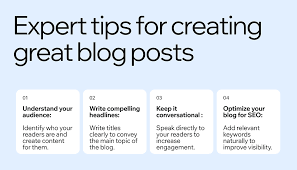
Blogging is a great way to share your knowledge, ideas, and experiences with people around the world. A well-written blog can help you build an audience, improve your online presence, and grow your brand. However, creating a successful blog requires more than simply writing and publishing articles. You need useful content, clear writing, proper planning, and a basic understanding of SEO. In this guide, you will discover practical Blog Tips to help you create engaging and valuable content.
1. Choose the Right Blogging Niche
Choosing the right niche is the first step toward building a successful blog. Select a topic that matches your interests, knowledge, and the needs of your target audience. Your niche could focus on travel, technology, health, education, lifestyle, or digital marketing. A clear niche helps readers understand what your blog offers and why they should follow it. Research your audience before deciding which subjects you want to cover regularly. When you enjoy your topic, it becomes easier to create fresh ideas and maintain consistency. Avoid covering too many unrelated subjects, especially when your blog is new. Focus on providing useful information that solves real problems for your readers.
2. Understand Your Target Audience
Understanding your audience helps you create content that people genuinely want to read. Think about your readers’ interests, questions, challenges, and expectations. Consider whether they are beginners, experienced professionals, students, or casual readers. Use this information to choose relevant topics and explain ideas at the appropriate level. You can discover audience interests by reading comments, exploring online communities, and researching popular questions. Pay attention to the language your readers use when searching for information. Write in a natural tone that makes your content easy to understand and relatable. When readers feel understood, they are more likely to return to your blog.
3. Create Helpful and Original Content
High-quality content is one of the most important parts of successful blogging. Your articles should provide accurate information, practical advice, or a fresh perspective. Before writing, research your topic using reliable sources and organize your main ideas. Explain complicated concepts in simple language without making the content unnecessarily lengthy. Include examples, personal experiences, or step-by-step instructions when they add value. Avoid copying sentences or rewriting another article too closely. Instead, develop your own explanations and present information in a way that helps your audience. Original, useful content gives readers a reason to trust your blog and share your articles.
4. Write Attractive Blog Titles
Your blog title is often the first thing a reader notices. A clear and interesting headline can encourage people to open your article. Use specific wording that tells readers what they will learn from the content. For example, “10 Simple Blog Tips for Beginners” is more informative than “Improve Your Blog.” You can include numbers, questions, or benefit-focused phrases when they suit your topic. Keep your titles relevant to the actual information in your article. Avoid exaggerated promises that your content cannot deliver. A strong title attracts attention while setting honest expectations for the reader.
5. Use Keywords Naturally
Keywords help search engines understand the subject of your blog posts. Start by identifying the phrases your audience might use when looking for information. For example, someone interested in blogging may search for “blog writing tips” or “how to start a blog.” Include your main keyword in suitable places, such as the title, introduction, and relevant headings. Use related terms naturally throughout the article instead of repeating the same phrase excessively. Keyword research tools can help you discover relevant searches and related topics. Remember that readability should always come before keyword placement. The goal is to create content that satisfies readers’ needs rather than writing only for search engines.
6. Make Your Blog Easy to Read
Even valuable information can lose readers when it is difficult to follow. Use short paragraphs, clear headings, and simple sentences to improve readability. Break longer discussions into smaller sections that focus on one main idea. Bullet points and numbered lists can make instructions easier to understand. Choose a clean layout with readable fonts and enough spacing between elements. Avoid unnecessary jargon unless your audience is familiar with the terminology. Review your article to remove repeated ideas and confusing sentences. A reader-friendly format helps visitors find information quickly and enjoy the reading experience.
7. Follow Basic SEO Practices
Search engine optimization, commonly known as SEO, can help people discover your blog through search results. Start by creating useful articles that answer specific questions clearly and accurately. Write descriptive page titles and meta descriptions that explain what each article offers. Use a logical heading structure to organize your content into meaningful sections. Add relevant internal links to other helpful articles on your website. Use descriptive image alt text when images communicate useful information. Make sure your blog works properly on mobile devices and loads efficiently. SEO takes time, so focus on consistent improvements rather than expecting immediate results.
8. Publish Content Consistently
Consistency helps you develop a writing routine and gives readers a reason to revisit your blog. Create a realistic publishing schedule that fits your available time and resources. For example, you might publish one useful article every week instead of posting daily without a plan. Use a content calendar to organize topics, deadlines, and upcoming seasonal opportunities. Prepare article outlines in advance to make the writing process more manageable. Leave enough time for research, editing, fact-checking, and formatting. If your schedule changes, adjust it rather than publishing rushed or low-quality articles. A sustainable routine is more valuable than a short period of frequent publishing followed by inactivity.
9. Add Relevant Images and Visuals
Images can make blog posts more attractive and help readers understand certain ideas. Use photographs, illustrations, screenshots, or diagrams when they support your message. Choose visuals that relate directly to the subject of your article. Make sure you have permission to use images or select properly licensed resources. Compress large image files to help your pages load more efficiently. Write meaningful alt text to describe informative images for people using assistive technology. Avoid adding decorative visuals that distract readers from the main content. Thoughtfully selected images can make your blog more engaging and easier to understand.
10. Promote Your Blog Posts
Publishing an article is only one part of reaching your target audience. You also need to help interested readers discover your content. Share relevant posts on social media platforms where your audience spends time. Participate in online communities by answering questions and contributing helpful information. Consider sending a newsletter to readers who choose to subscribe. You can also build relationships with other bloggers in your niche through genuine collaboration. Avoid posting promotional links repeatedly in places where they are not welcome. Focus on sharing useful information and building long-term relationships with your audience.
11. Engage With Your Readers
A successful blog is not just a collection of articles; it can also become a community. Encourage readers to share their opinions, questions, and experiences when appropriate. Respond to relevant comments in a polite and helpful manner. Pay attention to feedback because it may reveal topics that deserve further explanation. You can use reader questions to develop future articles, guides, or tutorials. Make it easy for visitors to contact you or learn more about your work. Respect different viewpoints and maintain a welcoming environment on your blog. Building trust through meaningful communication can encourage readers to stay connected.
12. Track Performance and Improve Your Blog
Reviewing your blog’s performance helps you understand which strategies are working. Tools such as Google Analytics and Google Search Console can provide useful website and search data. Monitor important metrics, including organic traffic, popular pages, and search queries. Look for articles that attract visitors but may need clearer explanations or better organization. Update outdated information when facts, recommendations, or industry practices change. Experiment with different titles, content formats, and promotion methods when appropriate. Do not judge your entire blog by a few days of traffic fluctuations. Use the information you collect to make informed improvements and build a stronger blog over time.
Conclusion
Creating a successful blog takes patience, creativity, and consistent effort. By following these Blog Tips, you can develop content that informs readers and keeps them interested. Focus on understanding your audience, writing original articles, and applying basic SEO practices. Remember to promote your work, engage with readers, and review your blog’s performance regularly. With a clear plan and a willingness to improve, your blog can gradually grow into a valuable online resource.
Frequently Asked Questions (FAQs)
1. What are the most important blog tips for beginners?
Beginners should choose a clear niche, understand their audience, and publish useful, original content. They should also learn basic SEO, use readable formatting, and maintain a realistic publishing schedule.
2. How often should I publish a blog post?
There is no single schedule that works for every blogger. Publishing one well-researched article per week or every two weeks can be a practical starting point, depending on your time and goals.
3. How can I get more traffic to my blog?
Create content that answers relevant questions, research keywords, improve your website’s SEO, and share articles through suitable social media platforms. Regularly updating useful content and building relationships with readers can also support long-term growth.