
Introduction to Blog Creation
Blog creation has become one of the most powerful ways to share knowledge, build an online presence, attract audiences, and create income opportunities. Whether you want to start a personal blog, a business blog, a niche website, or a professional content platform, understanding the process of blog creation is the first step toward online success.
A blog is more than just a collection of articles. A successful blog combines valuable content, a clear purpose, attractive design, search engine optimization, and a strong connection with readers. Millions of people search online every day for information, solutions, reviews, tutorials, and advice. A well-created blog helps you reach those people while building authority in your chosen topic.
The process of blog creation may look difficult for beginners, but with the right strategy, anyone can create a professional blog. From selecting a niche and choosing a domain name to writing high-quality articles and monetizing traffic, every step plays an important role.
This complete guide explains everything you need to know about blog creation, including planning, designing, publishing, growing, and earning from a blog.
What Is Blog Creation?
Blog creation is the process of building and launching a blog platform where individuals, businesses, or organizations publish written content online. It involves several steps, including selecting a topic, creating a website, designing pages, publishing articles, optimizing content for search engines, and attracting visitors.
In simple words, blog creation means turning an idea into a complete online platform where information can be shared with a target audience.
A successful blog usually focuses on a specific purpose. Some blogs are created to educate readers, while others are built to promote products, share personal experiences, generate leads, or earn revenue through advertising and affiliate marketing.
Why Is Blog Creation Important?
The internet has changed the way people search for information. Instead of depending only on traditional media, users now look for answers through search engines. Blogs provide businesses and individuals with an opportunity to appear in those searches.
Here are some major reasons why blog creation is important:
1. Building Online Presence
A blog helps you establish your identity on the internet. Whether you are an expert, entrepreneur, company, or content creator, publishing valuable articles allows people to discover your knowledge and expertise.
2. Increasing Website Traffic
Search engines reward useful and well-optimized content. When you consistently publish helpful blog posts, your chances of appearing in search results increase. More visibility can bring more visitors to your website.
3. Creating Trust and Authority
Readers trust websites that provide detailed, accurate, and helpful information. A regularly updated blog can position you as an authority in your industry.
4. Generating Income
Many bloggers create websites to earn money. A successful blog can generate revenue through advertising, sponsored content, affiliate marketing, digital products, online courses, and services.
Types of Blogs You Can Create
Before starting the blog creation process, it is important to understand different types of blogs. Choosing the right type helps you create focused content and attract the right audience.
Personal Blog
A personal blog is created to share experiences, opinions, stories, hobbies, and personal knowledge. Many lifestyle bloggers use this type of blog to connect with readers.
Business Blog
A business blog helps companies attract customers and promote their products or services. It is commonly used for marketing, customer education, and brand awareness.
Niche Blog
A niche blog focuses on one specific topic. Examples include technology, health, travel, finance, cooking, fitness, or digital marketing.
Niche blogs often perform well because they target a specific audience looking for specialized information.
Professional Blog
A professional blog is created by experts who want to share industry knowledge and build their reputation.
Choosing the Right Blog Topic
Selecting the right topic is one of the most important steps in blog creation. Your topic should match your interests, knowledge, and audience demand.
A good blog topic should have:
- Enough people searching for information
- Long-term content opportunities
- Potential for monetization
- Personal interest or expertise
For example, instead of creating a general blog about “technology,” you could create a focused blog about “artificial intelligence tools for small businesses.” A specific topic makes it easier to attract the right readers.
Planning Your Blog Before Creation
Successful bloggers do not start writing randomly. They create a clear plan before launching their website.
A proper blog creation plan includes:
- Defining your target audience
- Researching competitors
- Selecting content categories
- Creating a publishing schedule
- Planning monetization methods
A strong foundation helps your blog grow faster and prevents unnecessary mistakes.
Blog Creation: A Complete Guide to Creating a Successful Blog in 2026
Choosing a Domain Name for Your Blog
One of the most important decisions in blog creation is selecting the right domain name. A domain name is the address people use to find your blog on the internet. It represents your brand and creates the first impression among visitors.
A good domain name should be:
- Easy to remember
- Short and simple
- Related to your blog topic
- Easy to spell
- Professional in appearance
For example, if your blog focuses on healthy cooking, a domain name related to recipes, food, or nutrition can help visitors immediately understand your website’s purpose.
Avoid using complicated words, unnecessary numbers, or confusing spellings because they can make it difficult for people to remember your blog.
How to Choose the Perfect Domain Name
When creating a blog, consider the following tips before purchasing a domain:
1. Keep It Simple
Simple domain names are easier for users to remember and share. A short and clear name creates a stronger brand identity.
2. Choose a Relevant Name
Your domain should give visitors an idea about your content. A relevant name can also improve your branding efforts.
3. Think Long-Term
Choose a name that allows your blog to grow. Avoid selecting a domain that limits you to one small topic if you plan to expand your content in the future.
4. Select a Professional Extension
The most common domain extension is .com because it is widely recognized and trusted. However, other extensions can also work depending on your niche.
Selecting the Best Blogging Platform
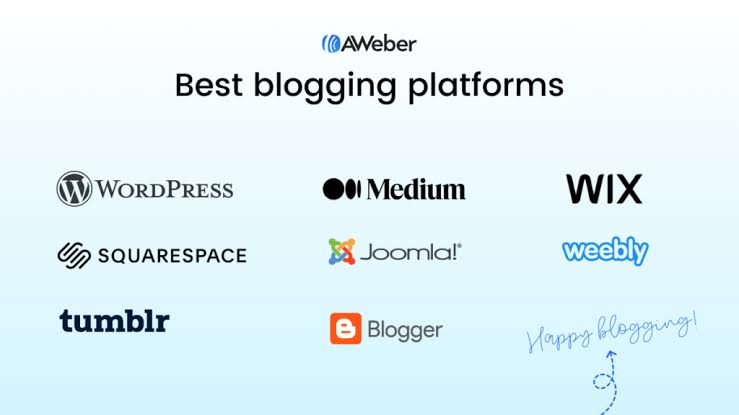
After choosing a domain name, the next step in blog creation is selecting a blogging platform. The platform you choose affects your website’s design, performance, and future growth.
There are many blogging platforms available, but each one offers different features.
WordPress Blog Creation
WordPress is one of the most popular platforms for creating professional blogs. It provides thousands of themes, plugins, customization options, and tools for beginners and advanced users.
Many successful bloggers choose WordPress because it offers:
- Complete design control
- SEO-friendly features
- Flexible customization
- Multiple monetization options
- Strong community support
A WordPress blog can be transformed into almost any type of website, including personal blogs, business websites, news platforms, and online stores.
Other Blogging Platforms
Besides WordPress, bloggers can also use different platforms depending on their goals.
Some platforms focus on simplicity, while others provide advanced customization options. Beginners often prefer platforms that allow them to create and publish content quickly without technical knowledge.
The best platform depends on your budget, technical skills, and future blogging goals.
Choosing Reliable Web Hosting
Web hosting is an essential part of blog creation. Hosting stores your website files and makes your blog available to visitors online.
A reliable hosting service helps your blog maintain:
- Fast loading speed
- Better security
- Higher uptime
- Improved user experience
Poor hosting can negatively affect your website because slow websites often lose visitors and may perform poorly in search engine rankings.
Important Features of Good Hosting
Before selecting hosting, look for these important features:
Website Speed
Fast websites provide a better experience for readers. Speed also plays a role in search engine optimization.
Security
A good hosting provider should offer security features to protect your website from common online threats.
Customer Support
Technical problems can happen at any time. Helpful customer support can save time and prevent long interruptions.
Scalability
As your blog grows, you may need more resources. Choose hosting that allows you to upgrade easily.
Designing a Professional Blog
A professional design is an important part of successful blog creation. Visitors usually judge a website within seconds, so your blog should look clean, organized, and easy to navigate.
A good blog design should include:
- Simple navigation menu
- Clear categories
- Mobile-friendly layout
- Easy-to-read fonts
- Attractive images
- Fast loading pages
The purpose of design is not only to make your blog beautiful but also to help visitors find information quickly.
Creating Important Blog Pages
Every professional blog should have essential pages that build trust with readers.
About Page
The About page explains who you are, what your blog is about, and why visitors should trust your content.
Contact Page
A contact page allows readers, businesses, and potential partners to communicate with you.
Privacy Policy
A privacy policy explains how your website collects and uses visitor information. It is also important for many advertising networks.
Disclaimer Page
A disclaimer protects your blog by explaining important information about your content, recommendations, and relationships.
Creating a Content Strategy
Content is the heart of every successful blog. A beautiful website cannot succeed without valuable articles that solve problems and answer questions.
A content strategy helps you decide:
- What topics to write about
- Who your audience is
- How often to publish
- Which keywords to target
A strong strategy prevents random publishing and helps your blog grow consistently.
Understanding Your Audience
Before writing articles, understand your readers.
Ask yourself:
- Who are they?
- What problems do they have?
- What information are they searching for?
- What solutions can your blog provide?
When you understand your audience, you can create content that attracts visitors and keeps them coming back.
Frequently Asked Questions (FAQs) About Blog Creation
1. What is blog creation?
Blog creation is the process of building and launching a blog website where individuals, businesses, or organizations can publish articles, share information, and connect with an online audience. It includes choosing a topic, selecting a domain name, designing a website, creating content, and promoting the blog.
2. How do I start creating a blog?
To start creating a blog, you need to choose a niche, select a domain name, purchase web hosting, install a blogging platform, design your website, and publish high-quality content. A clear strategy and consistent content creation can help your blog grow successfully.
3. Is blog creation difficult for beginners?
No, blog creation is not difficult for beginners if they follow the right steps. Many blogging platforms provide simple tools that allow users to create professional websites without advanced technical skills. Learning basic SEO and content writing can help beginners improve their blogs.
4. How much does it cost to create a blog?
The cost of blog creation depends on your requirements. A basic blog usually requires expenses for a domain name, hosting, and optional premium themes or tools. Some people start with a small budget and invest more as their blog grows.
5. Which platform is best for blog creation?
Many bloggers prefer WordPress because it offers flexibility, customization options, SEO features, and thousands of design choices. However, the best blogging platform depends on your goals, technical knowledge, and budget.
6. How long does it take to create a successful blog?
Creating a blog website can be done within a few hours or days, but building a successful blog takes time. Growth depends on factors such as content quality, SEO strategy, competition, and consistency. Many successful blogs require months of regular effort to gain significant traffic.
7. Can I earn money through blog creation?
Yes, blog creation can become a source of income. Bloggers can earn money through display advertising, affiliate marketing, sponsored content, selling digital products, online courses, and offering services related to their expertise.
8. What type of content should I publish on my blog?
You should publish content that provides value to your target audience. Helpful guides, tutorials, reviews, informative articles, comparisons, and problem-solving content usually perform well because they answer users’ questions.
9. How can I increase traffic to my blog?

You can increase blog traffic by creating SEO-friendly content, researching keywords, improving website speed, promoting articles on social media, building backlinks, updating old content, and consistently publishing useful information for readers.
Conclusion
Blog creation is a powerful way to share knowledge, build an online presence, and generate income. With the right niche, quality content, SEO strategies, and consistent effort, anyone can create a successful blog. A well-planned blog helps attract readers, build trust, and achieve long-term online growth.