Introduction
In today’s rapidly changing digital world, technology has become an essential part of everyday life. Businesses, educational institutions, governments, and individuals rely on digital systems to store information, communicate, and perform various tasks. One of the most important technological developments of recent years is cloud computing. It has transformed the way people access, manage, and use computing resources by allowing data and applications to be available through the internet.
Cloud computing has changed traditional methods of using computers by reducing the need for expensive hardware, physical storage devices, and complex IT management. Instead of keeping large servers and software systems on personal devices or company premises, users can access powerful computing services from remote data centers. This flexibility, efficiency, and accessibility have made cloud computing a fundamental technology in the modern digital era.
Understanding Cloud Computing
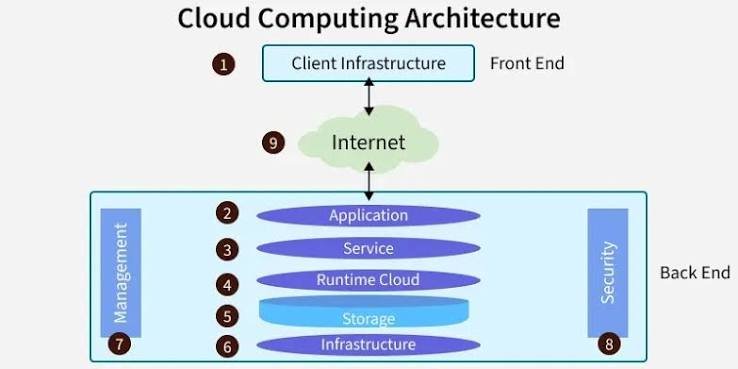
Cloud computing refers to the delivery of computing services over the internet. These services include storage, servers, databases, networking, software, analytics, and processing power. Instead of purchasing and maintaining physical computer infrastructure, users can rent these resources from cloud service providers based on their needs.
The basic idea behind cloud computing is similar to using electricity. People do not need to build their own power stations; they simply use electricity provided by a utility company and pay according to their usage. Similarly, cloud users access computing resources when needed and pay for the services they consume.
Cloud computing relies on a network of powerful data centers located around the world. These data centers contain thousands of servers that store information and run applications. Companies such as Amazon, Microsoft, and Google provide cloud platforms that allow organizations and individuals to use these resources efficiently.
Main Concepts of Cloud Computing
Cloud computing is based on several important concepts that define how services are provided and used.
1. Cloud Service Models
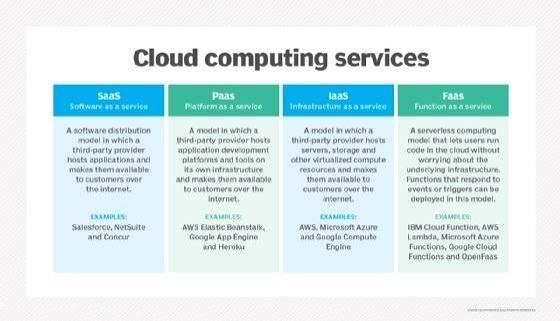
Cloud services are generally divided into three main categories:
Infrastructure as a Service (IaaS):
IaaS provides basic computing infrastructure such as virtual machines, storage, and networks. It allows organizations to build and manage their own applications without purchasing physical hardware. Businesses use IaaS when they need flexible and scalable computing resources.
Platform as a Service (PaaS):
PaaS provides a complete environment for developers to create, test, and deploy applications. It includes operating systems, development tools, and databases. Developers can focus on building software without worrying about managing underlying infrastructure.
Software as a Service (SaaS):
SaaS delivers software applications through the internet. Users can access these applications through web browsers without installing them on their computers. Examples include online email services, office applications, and customer relationship management systems.
2. Cloud Deployment Models
Cloud computing can also be classified based on how cloud services are deployed.
Public Cloud:
A public cloud is available to multiple users through cloud providers. It offers affordable and scalable services, making it popular among individuals and businesses.
Private Cloud:
A private cloud is designed for a single organization. It provides greater control, security, and customization, which makes it suitable for organizations that handle sensitive information.
Hybrid Cloud:
A hybrid cloud combines public and private cloud environments. Organizations can store sensitive data in private clouds while using public cloud resources for other operations.
Benefits of Cloud Computing
Cloud computing offers many advantages that have encouraged organizations worldwide to adopt this technology.
Cost Reduction
One of the biggest benefits of cloud computing is reduced cost. Traditional IT systems require companies to purchase expensive hardware, maintain servers, and hire technical staff. Cloud computing eliminates many of these expenses by allowing businesses to pay only for the resources they use.
Scalability and Flexibility
Cloud services can easily increase or decrease according to user requirements. For example, an online business may need additional computing power during a sale period. With cloud computing, resources can be increased quickly without purchasing new equipment.
Accessibility
Cloud computing allows users to access files, applications, and services from anywhere with an internet connection. Employees can work remotely, students can access learning materials online, and businesses can operate across different locations.
Data Backup and Recovery
Protecting important information is a major concern for individuals and organizations. Cloud platforms provide backup and recovery solutions that help prevent data loss caused by hardware failure, cyberattacks, or natural disasters.
Improved Collaboration
Cloud applications make teamwork easier by allowing multiple users to access and edit documents, share information, and communicate in real time. This has become especially valuable with the growth of remote work.
Enhanced Security
Many cloud providers invest heavily in security technologies, including encryption, monitoring systems, and access controls. These measures help protect user data and reduce security risks.
Applications of Cloud Computing
Cloud computing is used in many fields and industries. Its applications continue to grow as organizations discover new ways to benefit from cloud technology.
Business and Enterprise Solutions
Businesses use cloud computing for managing operations, storing data, hosting websites, and running software applications. Cloud-based customer management systems help companies understand customer needs and improve services.
Education
Cloud computing has significantly influenced the education sector. Online learning platforms, virtual classrooms, and digital libraries depend on cloud technology. Students and teachers can access educational resources from anywhere, making learning more flexible.
Healthcare
Healthcare organizations use cloud computing to store patient records, manage medical data, and support advanced technologies such as artificial intelligence and data analysis. Cloud systems help healthcare professionals access information quickly and improve patient care.
Entertainment
Streaming services for movies, music, and games rely heavily on cloud computing. Instead of downloading large files, users can access content instantly through cloud-based platforms.
Artificial Intelligence and Machine Learning
Cloud computing provides the powerful processing capabilities required for artificial intelligence and machine learning applications. Organizations can use cloud platforms to analyze large amounts of data and develop intelligent systems without investing in expensive hardware.
Government Services
Governments use cloud computing to provide digital services to citizens, improve data management, and increase the efficiency of public services. Cloud technology supports online applications, digital records, and communication systems.
Challenges of Cloud Computing
Although cloud computing provides many benefits, it also has some challenges. Data privacy and security remain major concerns because information is stored on external servers. Organizations must carefully select reliable cloud providers and implement proper security measures.
Another challenge is dependency on internet connectivity. Since cloud services require internet access, service interruptions can affect productivity. Additionally, companies may face difficulties when transferring data from one cloud provider to another.
Despite these challenges, continuous improvements in cloud technology are making cloud systems more secure, reliable, and efficient.
Future of Cloud Computing
The future of cloud computing looks promising as new technologies continue to develop. Trends such as artificial intelligence, edge computing, and the Internet of Things are increasing the demand for cloud-based solutions.
In the coming years, cloud computing is expected to become even more integrated into daily activities. Businesses will continue using cloud platforms to improve efficiency, reduce costs, and create innovative products and services. Individuals will also experience more personalized and connected digital experiences through cloud-powered applications.
Conclusion
Cloud computing has become one of the most influential technologies of the modern era. By providing flexible, affordable, and powerful computing resources through the internet, it has changed the way individuals and organizations use technology. Its benefits, including cost savings, scalability, accessibility, and improved collaboration, have made it an essential tool across various industries.
From education and healthcare to business and entertainment, cloud computing continues to create new opportunities and improve existing systems. Although challenges related to security and reliability remain, ongoing advancements are helping overcome these limitations. As technology continues to evolve, cloud computing will play an increasingly important role in shaping the future of the digital world.