
Web Content: A Complete Guide for Business Owners
In today’s digital world, having a website is no longer enough for a business. Customers want useful information before they decide to buy a product, book a service, or contact a company. This is where web content becomes important. The words, images, videos, guides, product information, and other materials published on a website can strongly influence how people understand and interact with a business.
For business owners, web content is more than just text placed on a webpage. It is a way to communicate with potential customers, answer their questions, demonstrate expertise, and build trust. When content is created with the audience in mind, it can make a website more useful and can support long-term business growth.
What Is Web Content?
Web content refers to the information and media available on a website. It can include written text, photographs, videos, graphics, infographics, product descriptions, FAQs, blog posts, case studies, reviews, and downloadable resources.
For example, a local plumbing company might publish service pages explaining its plumbing services, a guide about preventing common pipe problems, answers to frequently asked questions, and information about how customers can request an appointment. All of these materials are forms of web content.
The purpose of content can vary. Some pages are designed to introduce a business, while others are created to educate visitors, promote products, answer questions, or encourage people to take action.
Good content makes it easier for visitors to understand what a company does and how it can help them.
Why Web Content Matters to Business Owners
A website is often one of the first places customers go when researching a business. Before contacting a company, people may want to know what services are available, how much experience the business has, what makes it different, and whether it can solve their particular problem.
Useful web content can provide those answers.
Imagine that someone is looking for accounting services. They visit two websites. The first website contains only a few lines describing the company. The second website explains its services, introduces the team, answers common questions, provides useful financial information, and clearly explains how customers can get started.
The second website gives the visitor more information to work with. It may also create a stronger sense of professionalism and trust.
This does not mean that every website needs thousands of pages. The goal is to provide the right information for the people you want to reach.
Different Types of Web Content
Business websites can use many different forms of content. Choosing the right types depends on the company’s industry, audience, and goals.
Website Pages
Basic website pages are often the foundation of a business website. These may include a homepage, About page, service pages, product pages, contact page, and FAQ section.
Each page should have a clear purpose. A service page, for example, should explain what the service is, who it is for, what customers can expect, and how they can take the next step.
Blog Posts
Blog articles can help businesses explain topics related to their products, services, or industry. A business might publish educational guides, answers to common questions, practical tips, industry explanations, or detailed tutorials.
For example, a landscaping company could publish articles about lawn care, seasonal gardening, plant selection, and common landscaping mistakes.
Blog content can be particularly useful when customers regularly search for information before making a purchase.
Product Descriptions
For online stores, product descriptions are extremely important. Customers cannot physically touch or examine an item through a screen, so the description needs to provide useful details.
A strong product description can explain the product’s features, benefits, size, materials, uses, and other important information. It should help customers understand whether the product is suitable for their needs.
Videos
Video content can explain complicated subjects quickly and demonstrate products or services visually. Businesses can use videos for tutorials, demonstrations, interviews, behind-the-scenes content, customer education, and product introductions.
Not every business needs professional studio-quality videos. Clear and useful information is often more important than expensive production.
FAQs
Frequently asked questions can save customers time and reduce uncertainty. A good FAQ section can answer questions about pricing, delivery, availability, appointments, returns, warranties, services, or other common concerns.
FAQs are also useful because they show that a business understands the questions customers commonly have.
Case Studies
Case studies explain how a business helped a particular customer or solved a specific problem. They can provide practical examples of the company’s work.
For a marketing agency, for instance, a case study might describe a client’s challenge, the strategy used, and the results achieved. This gives potential customers a better idea of what working with the business might look like.
What Makes Web Content Good?
Good content is not simply content that contains a lot of words. It should provide something useful to the reader.
One important quality is clarity. Visitors should not have to struggle to understand what a page is saying. Short paragraphs, meaningful headings, simple explanations, and logical organization can make content easier to read.
Another important quality is relevance. Content should relate to the needs and interests of the intended audience.
Accuracy also matters. Businesses should make sure that important information is correct and kept up to date. Outdated prices, incorrect contact details, expired offers, or old service information can create a poor customer experience.
Good content should also sound authentic. Business owners should avoid making exaggerated claims that cannot be supported. Honest and straightforward communication can help establish credibility.
Understanding Your Audience
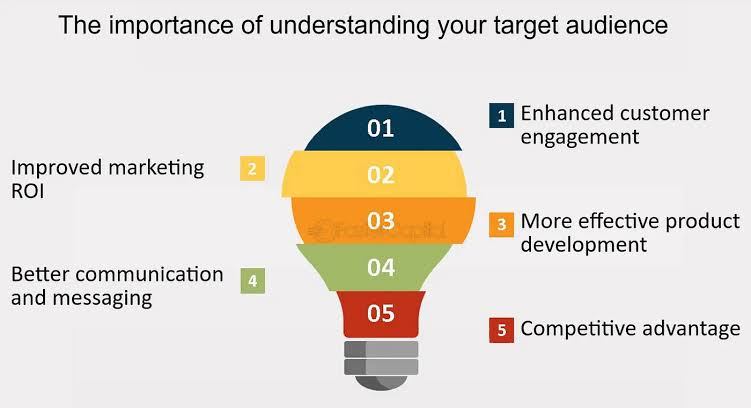
Before creating content, business owners should understand who they are trying to reach.
Consider what customers want to know. What problems do they have? What questions do they ask before buying? What concerns might prevent them from contacting the business?
For example, a home renovation company may have customers who are concerned about project timelines, costs, materials, permits, and the disruption caused by construction.
Content that addresses those concerns can be much more useful than general promotional statements.
Creating customer profiles can help businesses organize their content strategy. Even a simple understanding of the target audience can make a significant difference.
Web Content and Search Engines
Search engines help people discover websites when they search for information, products, or services. Useful and well-organized content can support a website’s visibility in search results.
However, businesses should not create content only for search engines. The primary goal should be to help real people.
A useful article naturally discusses the subject it is about. It may include relevant terms and phrases because those words are genuinely useful to the reader. This is very different from repeating the same keyword excessively.
Search-friendly content should be written naturally and organized clearly. Descriptive headings, helpful information, relevant page titles, and clear answers can all contribute to a better website experience.
The Importance of Original Information
Business owners should aim to provide original value rather than simply copying information from other websites.
Original content can come from a company’s own experience, knowledge, processes, examples, research, customer questions, or industry expertise.
For instance, a construction company may have years of experience dealing with specific building challenges in its local market. Sharing practical knowledge from that experience can make its content more useful and distinctive.
Originality does not necessarily mean discussing a completely new topic. A common topic can still become valuable when it is explained clearly from a business’s own perspective.
Writing for People, Not Just Search Engines
One common mistake is focusing too heavily on keywords. While relevant search terms can be useful, excessive repetition can make an article awkward and difficult to read.
Imagine reading a paragraph where the same phrase appears in almost every sentence. It would probably feel unnatural.
Instead, use language that people actually use when discussing the subject. Include related concepts, examples, questions, and explanations where appropriate.
A good article should feel like it was written to help someone, not simply to manipulate a search algorithm.
How Web Content Builds Trust
Trust is extremely important when someone is considering spending money with a business.
Content can help establish trust by showing knowledge, answering questions honestly, explaining processes, and providing evidence of experience.
A business can demonstrate credibility through detailed service information, customer stories, useful educational resources, team information, certifications where relevant, and transparent policies.
Visitors are more likely to feel comfortable when they can find the information they need without constantly having to contact the company for basic answers.
Keeping Content Updated
Creating content is not always a one-time task. Information can become outdated as products, services, prices, policies, technology, and customer expectations change.
Business owners should periodically review important pages and update information when necessary.
For example, a company may add a new service but forget to update its website. A customer searching online may never discover that the service is available.
Regular reviews can also identify broken links, outdated statistics, old references, or information that no longer represents the business accurately.
Freshness does not mean changing a page just for the sake of changing it. Updates should provide genuine value.
Creating a Simple Content Strategy
A content strategy does not have to be complicated. Business owners can begin with a few basic questions.
First, identify the main products or services the business wants to promote. Then consider the questions customers commonly ask about those products or services.
Next, create content that answers those questions.
For example, a software company might create articles explaining how its product works, compare different solutions, provide setup instructions, and address common technical problems.
The business can then organize these topics into a simple publishing schedule.
Consistency is often more practical than trying to publish a huge amount of content at once.
Common Web Content Mistakes
There are several mistakes businesses can avoid.
One is writing primarily about the company instead of the customer. While information about a business is useful, visitors are usually more interested in how the company can solve their problems.
Another mistake is using overly complicated language. Industry terminology can be appropriate for expert audiences, but unnecessary jargon can confuse ordinary customers.
Poor formatting is another issue. Large blocks of text can be difficult to read, especially on mobile devices.
Businesses should also avoid making unsupported promises. Claims such as being the “best” or “number one” may not mean much without evidence.
Finally, businesses should not ignore their existing content. A website with many old articles may be less useful than a smaller website with accurate, well-maintained information.
Making Content Easy to Read
People often scan webpages rather than reading every word. This means structure matters.
Useful headings allow readers to quickly find the section they need. Short paragraphs make information easier to digest. Bullet points can be useful when listing features, steps, or benefits.
Important information should be easy to locate.
Images and graphics can also improve understanding when they genuinely support the topic. However, visual elements should not distract from the main purpose of the page.
The goal is to create a comfortable reading experience across computers, tablets, and smartphones.
Measuring the Performance of Web Content
Business owners can use website analytics to understand how visitors interact with their content.
Useful measurements may include page views, time spent on pages, traffic sources, conversions, form submissions, and other relevant actions.
The right measurement depends on the purpose of the page.
For example, a contact page may be successful if it generates inquiries, while an educational article may be successful if it attracts relevant visitors and encourages them to explore additional pages.
Numbers should be interpreted in context rather than viewed in isolation.
Turning Visitors Into Customers
The ultimate purpose of business content is not always to make an immediate sale. Sometimes its role is to help a potential customer move one step closer to a decision.
A visitor might first discover an article through a search engine. Later, they may read a service page, explore customer reviews, and eventually contact the company.
This means content can support different stages of the customer journey.
Clear calls to action can help visitors understand what to do next. Depending on the page, that could mean requesting a quote, booking an appointment, subscribing to updates, downloading a guide, or contacting the business.
FAQS
- What is web content?
Web content is information published on a website, such as text, images, videos, and guides. - Why is web content important?
It helps businesses inform customers, build trust, and explain their products or services. - What are common types of web content?
Common types include blog posts, product pages, service pages, videos, FAQs, and guides. - How does web content help a business?
It can attract visitors, answer customer questions, and support business growth. - Should web content include keywords?
Yes, relevant keywords can be used naturally without excessive repetition. - How often should I update web content?
Update content whenever important information becomes outdated or changes. - Is blog content important for businesses?
Yes, useful blog posts can educate customers and provide helpful information. - What makes good web content?
Good content is clear, useful, accurate, relevant, and easy to read. - Can web content improve SEO?
High-quality, relevant content can support a website’s visibility in search engines. - Who should create web content?
Business owners, writers, marketers, or subject experts can create content based on the business’s needs.
Final Thoughts
Web content is an important part of modern business communication. It helps companies explain what they offer, answer customer questions, demonstrate expertise, and create a better online experience.
For business owners, the most effective approach is not to publish content simply because having more pages seems beneficial. Instead, focus on creating information that customers genuinely need.
Start with the questions your customers ask. Explain your products and services clearly. Share useful knowledge from your experience. Keep important information accurate and updated. Most importantly, write for real people.
When web content is useful, clear, trustworthy, and relevant, it can become much more than words on a website. It can help a business communicate its value, build stronger relationships with potential customers, and create a solid foundation for long-term online growth.